“Keep an eye on it”

Going through cancer is scary. The unknown. Will treatment work? Nobody knows…not even the well-experienced oncologists. The entire time I was going through treatment it was hard to even think about. So I didn’t. I pretended like everything was fine and there was nothing to worry about. Why worry about it if you can’t control it right?

One thing that I look back on now is how much that actually helped me get through it. Live a normal life and don’t worry about anything unless they give you something to worry about. Get through treatment. Re-group. Check in. Is the treatment working? Yes. Great. Moving on. Is the treatment not working? Okay. What are we going to do about it? Moving on. Some people may disagree with me on this, but this is how I got through it and it worked for me. I may have more processing to do now that I am on the other side, but when you are living in it it’s hard to process everything and still be a human when you are just trying to survive.

Now that I am “cancer free” there is less to worry about. However, every 3 months I go in for a check up (blood work) and every 6 months I get an MRI. The MRI is for a follow up on a small spot on my liver they found during the original scans. The spot is still there, however unchanged in size or consistency so they are not worried about it, BUT I am. So I ask that we biopsy it? Remove it? Nope, too invasive and not worth the risk of infection or spread. So, next best thing is to keep an eye on it and scan it every 6 months… what a pain.

If you have been through cancer yourself or know someone who has, you know that you are never in the clear, you always have that “feeling” or fear in the back of your mind. Will it come back? Is it already back and we don’t know about it? So best thing we can do is “keep an eye on it”.
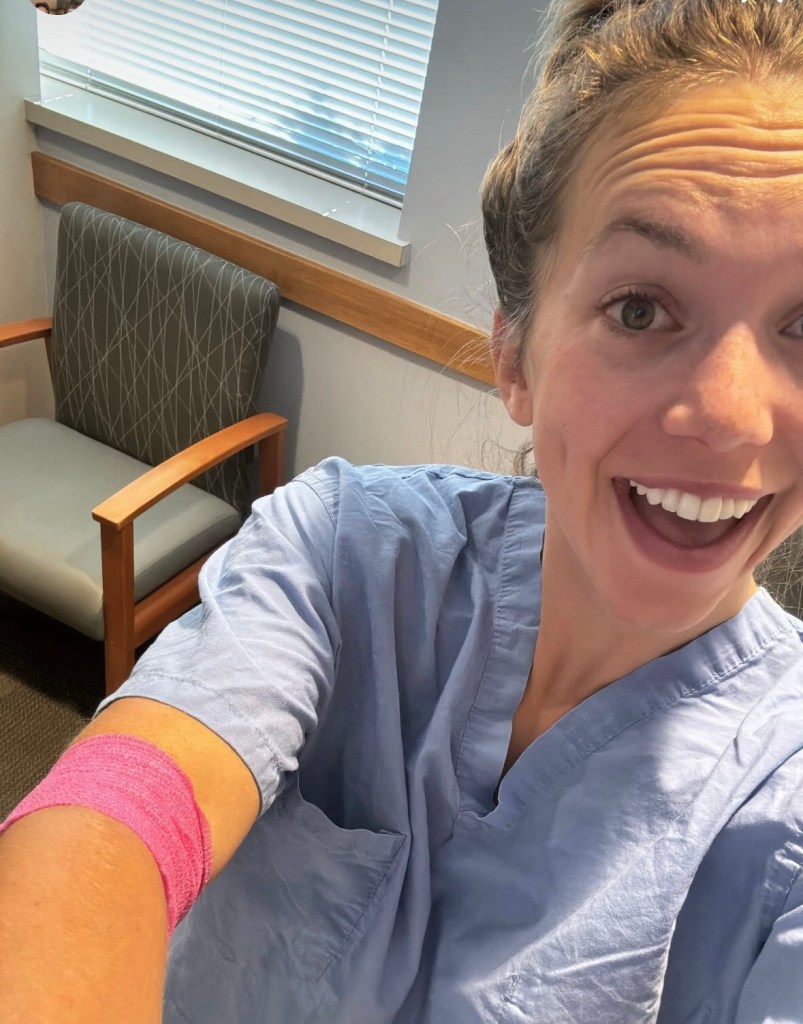
Making Babies

For those of you who have been following along you may remember that I did an egg retrieval prior to starting chemotherapy in December of 2022. The original reason for doing the egg retrieval was for a chance to have our own children in case chemotherapy damaged my eggs. However, after testing positive for the BRCA1 gene mutation there was now another reason for the egg retrieval. Not only can we test for the health of each embryo, we can also test for the BRCA1 gene mutation in each embryo. This allows us to prevent passing along this gene mutation to our children (which is a 50% chance).

My oncologist recommended I wait about 2 years post chemotherapy to attempt to have children. Not only is this time frame for my body to heal from chemotherapy but also to be able to monitor for cancer coming back since it is the highest risk in the first 2-3 years and they would not be able to perform scans (MRIs) if I were pregnant. Now that I am over a year of being cancer free and post chemotherapy, we decided to begin the process of turning my eggs into embryos and begin the testing process (which takes about 6 months total). We figured by the time the embryos were ready, we would be too. So here is the process of turning eggs into embryos, testing the embryos and making babies post cancer:

Step 1) egg retrieval (December 2022) prior to chemotherapy and freezing them for storage

Step 2) create a genetic “probe” that they use to test each embryo for the genetic mutation (takes about 2 months)

Step 3) create embryos from the frozen eggs which entails thawing the eggs, inseminating them with my husband’s sperm and re-freezing them (takes about 8 days)

Step 4) taking a small biopsy of the outer layer of the embryos and testing them for chromosomes matching and then the BRCA1 mutation gene (PGT-A and PGT-M testing)

Step 5) finding out how many healthy embryos we are working with (if any)

Step 6) The “transfer” (actually implanting the embryo for chance of pregnancy)

Now the statistics of this entire process are a little depressing. Out of the 10 eggs I had retrieved, 7 of them survived the egg thaw and fertilization stage. Out of those 7, 50% of them could possibly have the genetic mutation and 30% of them have a chance of having a birth defect or not having matching chromosomes which could cause birth defects. So I was told that out of the 10 eggs I had retrieved that I could possibly have 0-2 healthy embryos when this is all said and done. Crazy. But worth a try to not pass this along to our children if we can at all prevent it. However, here is the breakdown of the cost:

Egg retrieval: $7,000

Medications for egg retrieval: $4,500

Creation of Genetic “probe”: $2,600

Creation of embryos: $9,000

Chromosome testing (PGT-A): $250 per embryo x7 = $1,750

BRCA1 Genetic testing (PGT-M): $2,300

This is with a cancer “discount” and this does not include lab fees, face to face MD appts and ultrasounds…

All of this for an attempt at having a healthy, BRCA1-free baby. Not guaranteed…and you don’t get your money back

Ovarian cancer

Now that I have made it through a year of breast cancer- diagnosis, treatment and recovery, it is time to continue my efforts in cancer prevention. The risk of breast cancer coming back is the highest in the first 2-3 years. Not only do I have a check up every 3 months, but an MRI every 6 months. On top of that I am continually doing everything in my power to prevent cancer on my end. This entails a strict diet, continuing to exercise regularly and continuing high dose vitamin C 1x per month. If you have been following along, you may remember I also have a 23% chance of getting ovarian cancer with the BRCA1 gene mutation I have. So not only do I have a high risk of breast cancer coming back, but I am also on the lookout for ovarian cancer. After we are able to have children, I will have a full hysterectomy (which they recommend I have before age 35). For reference I just turned 30. That gives me less than 5 years to have children, kind of a time crunch huh? So now we begin the journey of having children… which you would think would be the easy part…

Trip of a lifetime

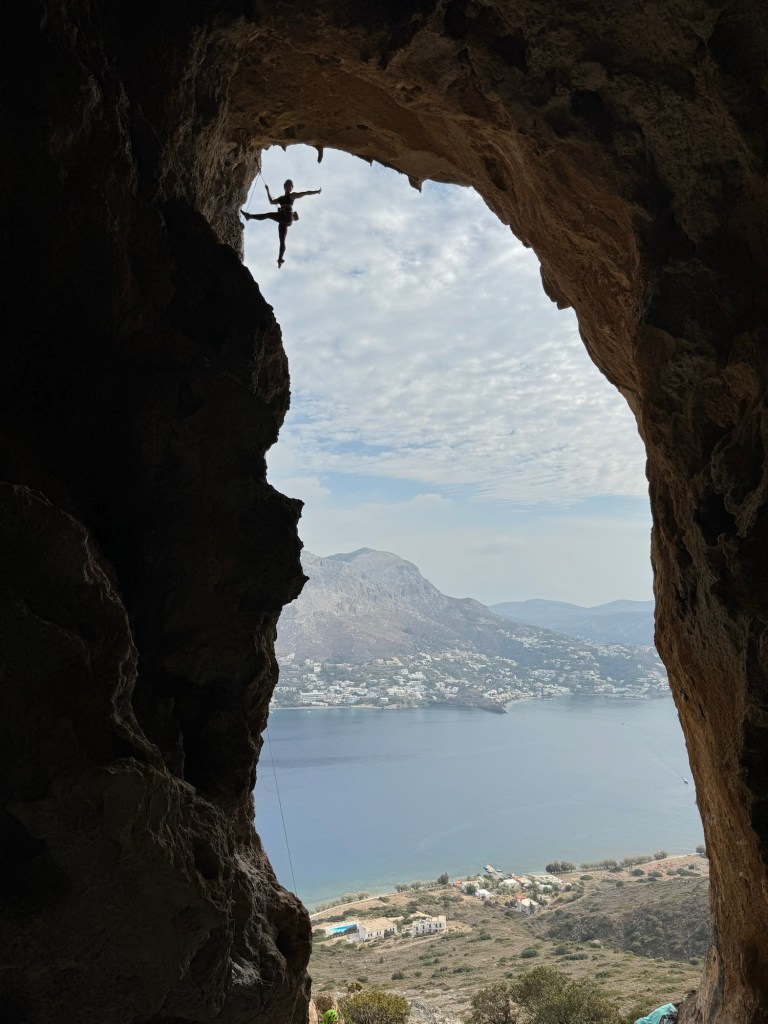
As I finished up healing from my second surgery (2nd part of reconstruction) I was planning a trip to England and Greece with a few of my friends. When I say planning… I mean I bought tickets to England and my friends who live in England planned the rest (they are the best). I was eager to spend time with friends, take a vacation, but also celebrate being cancer free and being done with the worst year of my life.

The time came and we flew off to England and Greece and back to England, spending multiple days rock climbing in Kalymnos and eating yummy Greek food, it was the most amazing experience spent with the most amazing people. It truly was a celebration of the end of the worst year, but the start of something new. A life without cancer and an entirely new outlook on life. We flew back on November 4th. Exactly 1 year after the day I got the phone call that changed my life. Exactly 1 year from when I heard the words “you have cancer”.

Port scar

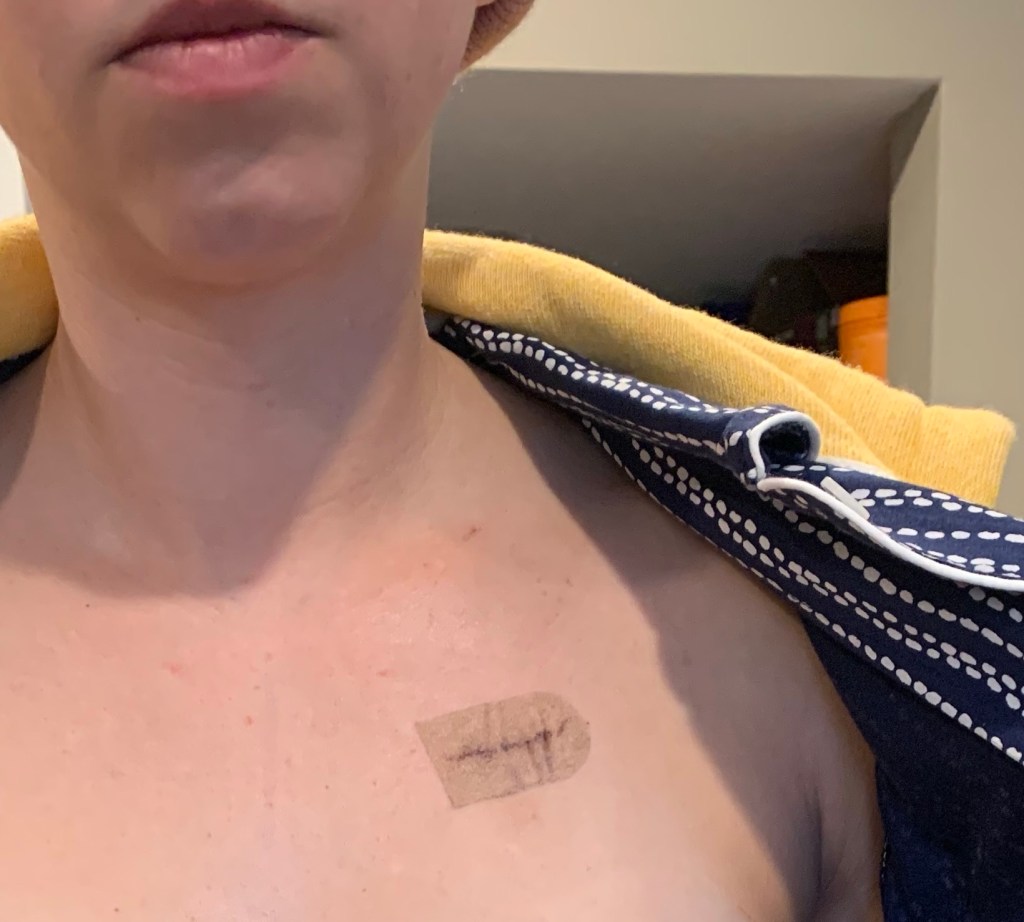
After both surgeries the biggest complaint I had was the scar from my port. As I have mentioned before, they had to place my port the day before I started chemotherapy and the incision never fully healed. So during my first surgery (double mastectomy with reconstruction) the surgeon removed the port and attempted to close my port incision. The tissue was so thin that it did not fully come back together and healed a little more open. Not terrible looking, however VERY sensitive. Sensitive even to the touch and to this day (over a year later) I have to wear my seatbelt under my arm because it rubs on the scar. Things that I have done to help with this over time are scar tissue massage, silicone strips and protecting it from the sun. The silicone strips are supposed to break down the scar tissue and help with the look of the scar, healing of the scar and also protect it from the sun. However, after wearing the silicone strips for approximately 2 months, I took one off and the incision/scar opened back up! Alright, nope. Done with those. It has gotten better with time, and hopefully continues to improve.

Hot flash

If you have been following along you will remember that I was on the Lupron shot through treatment and surgery to slow the blood flow to my ovaries to protect them from chemotherapy for when we decided to have children in the future. The Lupron shot basically puts your body into a temporary state of menopause and you do not have a period. One of the biggest side effects I experienced from the Lupron shot were hot flashes and they always seemed to take place in the car. Now imagine this… driving in the middle of Winter in Spokane, Wa all bundled up because it’s FREEZING and then boom. HOT FLASH. Panicking because you can’t get your seatbelt and clothes off fast enough, windows down, head out the window. Yup, this probably happened on the daily. After surgery was even worse because I wasn’t allowed to move my arms for about 5 weeks, so when the hot flashes happened it was miserable, just needed to sweat it out sometimes. The best part is my mom was going through menopause at the same time, so at least there was someone who understood. How odd basically being in menopause with your mother.

Now, when I got my period back after 10 months of being on the Lupron shot it came back FULL FORCE. It took a few months for my body to regulate, but when it did it was the worst period I have ever had. Now, about a year later I am still having irregular periods. Sometimes 6 weeks apart and sometimes 2 weeks apart (yes, I have taken a lot of pregnancy tests). Sometimes heavy sometimes light. Headed into this next stage of the process of trying IVF in a few months they will eventually put me back on birth control to regulate my cycle, however what a fricken roller coaster.

Risks after double mastectomy

After a double mastectomy there are risks that you have to watch out for even after your healing is complete and you are back to “normal” or your “new normal” is what I call it. These risks are something that were told to me but very nonchalantly…

With removing breast tissue and specifically lymph nodes there is a high risk of lymphedema, for the rest of your life! Kind of crazy. What is lymphedema? Lymphedema is a buildup of fluid in the soft tissues of the body. It can happen after lymph nodes are removed during surgery or after radiation therapy. Lymph fluid usually moves freely throughout your body. But when lymph nodes have been removed, or the flow of lymph fluid is blocked by scar tissue, fluid can build up. This can cause swelling in your arm and nearby areas. Especially in the side that the lymph nodes were removed.

What can you do to prevent lymphedema?

1. No high pressure or restraining blood flow to the extremity, so no blood pressure, IVs, blood draw etc…

2. Do not expose your arm to very hot or very cold temperatures

3. Continue to exercise, drink plenty of water and eat a healthy diet to prevent inflammation

Once you get lymphedema it is hard to treat and completely get rid of and it tends to come back once you get it. So if you have had a double mastectomy with lymph nodes removed- keep an eye out for red, swollen arms or hands, tightness in the armpits, arm or hands and increased pain or fever.

Surgery Round 2

Going in for the second surgery was mentally challenging for me. I wanted to get it over with and be done with all of this, but at the same time I felt as if I was just getting my life back and was soon to be laid up again … well it was not my favorite to say the least. This time around I was a little more prepared and the surgery was supposed to be an easier recovery… no drains, less risk of fluid collection and less recovery time. This surgery was also an outpatient procedure and took place at the plastic surgery surgical center. I was under anesthesia for less time and got to go home same day. So I gathered another stack of books, mentally prepared myself to be sedentary for another 4-6 weeks and scheduled my surgery for about 4 months after my first.

What did this surgery entail? The tissue expanders (also known as spacers) that the plastic surgeon placed during the first surgery were to be removed during the second surgery and replaced with more permanent implants. These implants are the same thing they use for a regular cosmetic boob job. The spacers were uncomfortable and were sewn into my pectoral muscles so they would pull and tug when I tried to do any heavy lifting. I was excited to get them out to say the least!

Day of surgery came and I was all prepped and ready to go. The anesthesiologist, Beth, came and asked me all of the questions, nursing got an IV started and gave me all of the pre-meds, and then the surgeon, Dr. Oliver Allen, the same surgeon who did the second half of my first surgery. We signed the consent and they sent me back the OR. Breathe into this mask and count back from 10…9…8….7.

Next thing I know I am waking up from what seemed like a bad dream. I was strapped down to the table, and could feel myself trying to breathe on my own, however I could not because I had a tube down my throat helping me breathe during surgery. I realized what was happening and started to panic. I was waking up DURING surgery… probably my worst nightmare. As soon as I realized what was happening, so did the nurses and all I heard was “Beth, I think she is waking up”. Then I was immediately back out. Phew. Close call. But I remembered it as soon as I woke up.

I was a bit groggy waking up, however was in no pain. If anything it felt good to have the spacers out. This time around I was placed in a lightweight, front-clasp bra that held everything in. I was excited to see the goods but nervous to open the bra. So I waited until my first follow up appointment with the surgeon the next day. When the nurse came in to check the incisions and swelling at the appointment she asked if I had seen them yet. Nope! Let’s check them out! Now, like I have said… I probably never would have got a boob job in my lifetime but dang, now I have some nice tatas. Was it worth it? No, but I’ll take it.

Lifting

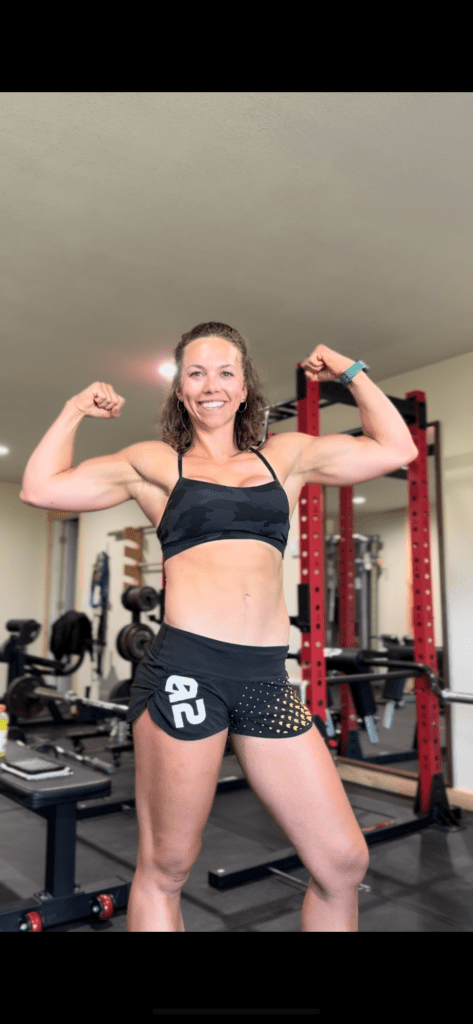
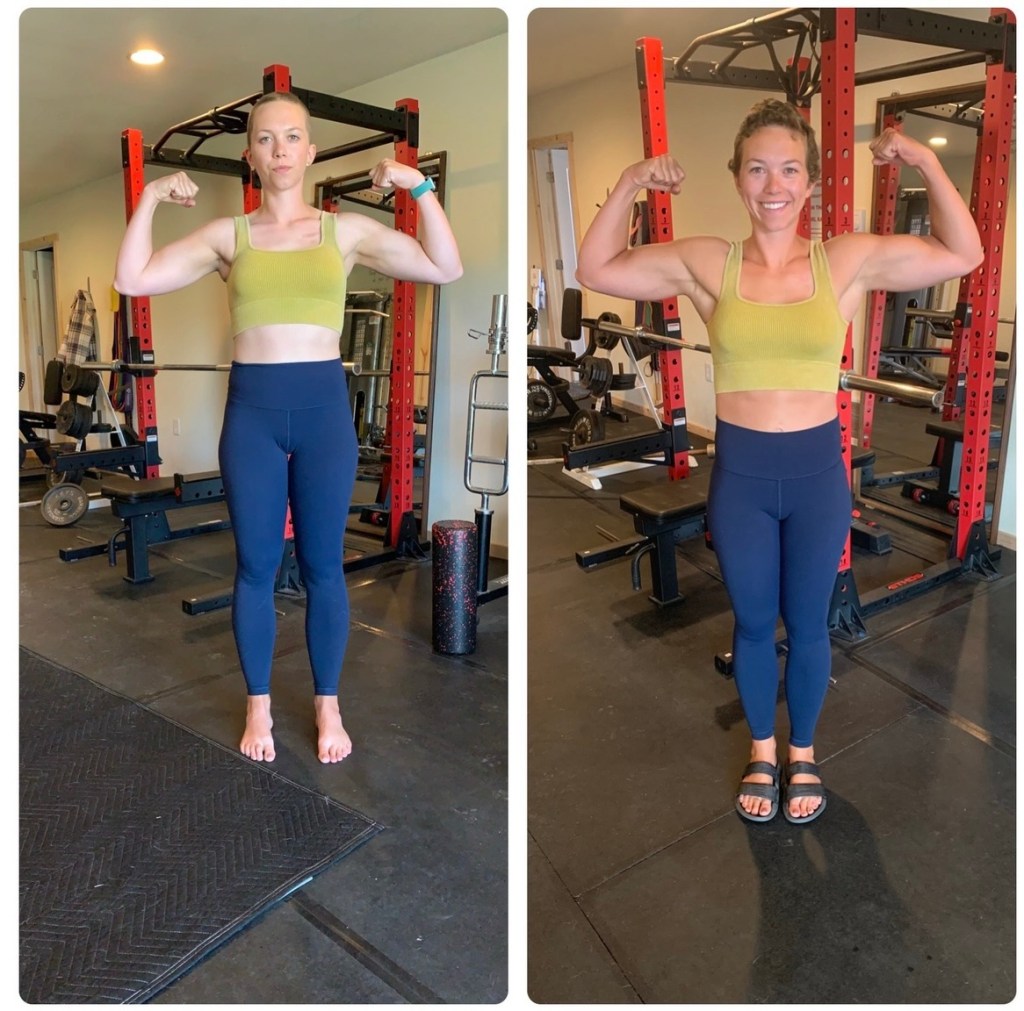
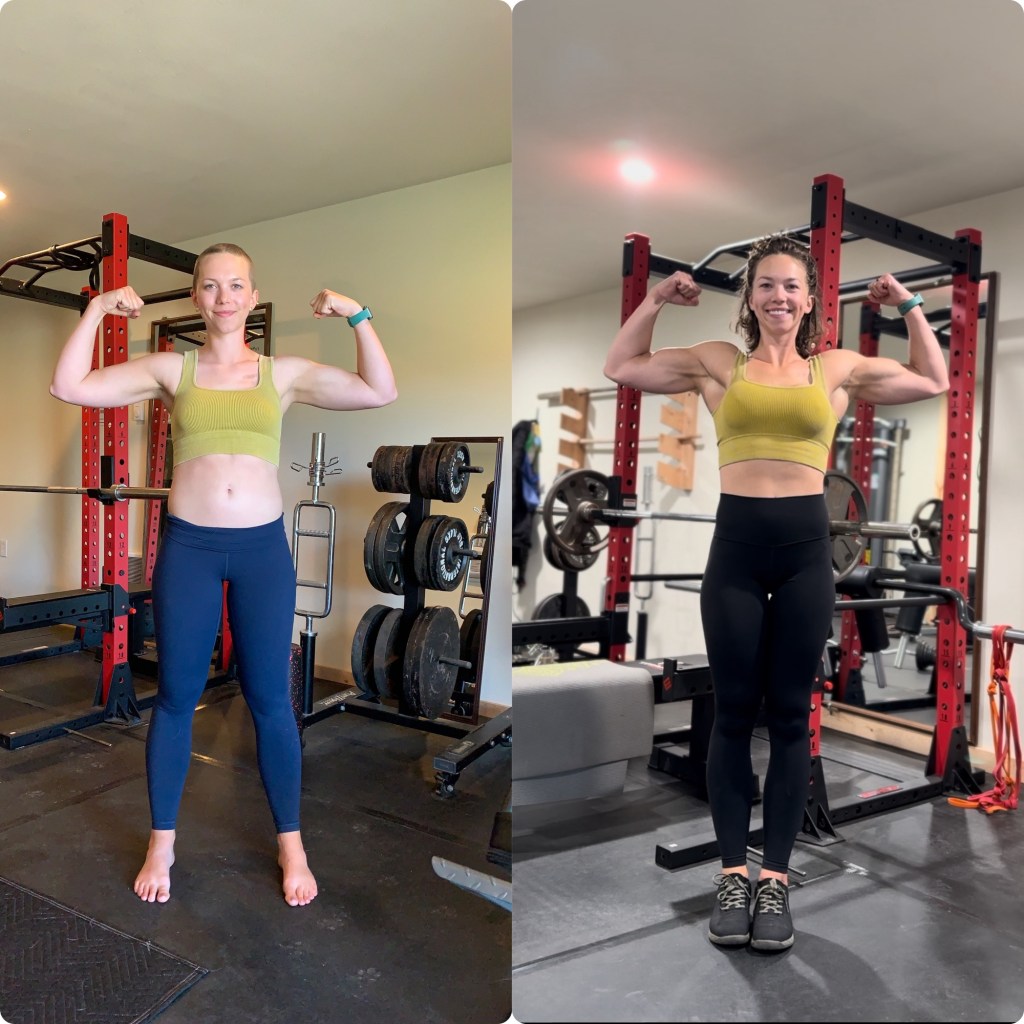
Getting back into lifting weights was challenging… not only physically but mentally. I had to start out so slow and not push myself too hard. Those of you who know me, know that I am not very good at “taking it easy”. So I sometimes pushed myself too hard (and I could tell right away). I would do a squat and my heart rate would jump up to 180 bpm immediately and take several minutes to recover. I was short of breath all the time and couldn’t quite recover from each workout like I used to. It was frustrating. I remember doing my first push up, first pull up, and progressing from there. I knew the only way to get through it was to keep being consistent and it would come along….

And eventually it did. After several months I was able to bench press the same weight I did prior to surgery and run without feeling completely short of breath. I was well on my way to feeling back to “normal”. And then… I had to have the second part of my surgery. Here we go. Starting from scratch once again. What a fricken roller coaster.

Stretching, cording

After about 4-5 weeks my surgeon cleared me to start stretching my arms and raising them overhead for the first time after having the double mastectomy with reconstruction. After being unable to use or raise my arms above my head for 5 weeks and with the amount of swelling and tissue removal, it took some time to be able to get full range of motion back. Since the breast cancer was in the right breast, the surgeon did a sentinel lymph node biopsy on the right side during surgery. So there was more swelling and tightness on the right side (mostly in the armpit area). Over the next few weeks I would spend an hour or more each day just stretching out my arms, pushing a little further each day. I wanted to get full range of motion back before adding in weight lifting and strength training because I didn’t want to make it tighter than it already was. I was also experiencing “cording” (axillary web syndrome) where it feels like there is a tight cord running from your armpit to your hand. It is a common side effect after breast surgery or lymph node biopsy. This required extra stretching, deep scar tissue massage (painful) and nerve glide exercises. After several weeks, my plastic surgeon even recommended a steroid shot to help break up the scar tissue. This steroid shot did help a little bit but it also turned my skin blue-ish. Interesting…

After several weeks of patience, stretching, scar tissue massage and nerve glides I was able to get full range of motion and then I was able to start lifting weights again. Starting from scratch was hard, but I knew I had to start somewhere and I was happy to be back at it. I started out slow (especially with chest press, pull up and more strenuous lifts) however I was just grateful to move my body again. The hardest part was my endurance and my lung capacity. Walking short distances was still very hard for me to catch my breath. It took months for me to recover my lung capacity and eventually be able to run again.