IVF Round 2

Undergoing an ovarian reserve test includes an ultrasound and blood draw. The ultrasound concludes how many follicles/eggs they can visibly see. This does not mean this is as many eggs as I have left. However, it gives them an idea of how many eggs can be retrieved. My ovarian reserve test came back sufficient enough to do an egg retrieval. They found 15 visible eggs. 15 egg lands in about 50th percentile for my age and my hormone levels came back at about 25th percentile for my age. The physician reports with these results the statistics show we should be able to retrieve between 9-11 eggs with an egg retrieval . With my first egg retrieval prior to chemotherapy, back when I was 28 years old, they retrieved 14 eggs. Out of the 14 eggs, 10 were mature enough to keep. Now, what are the next steps?

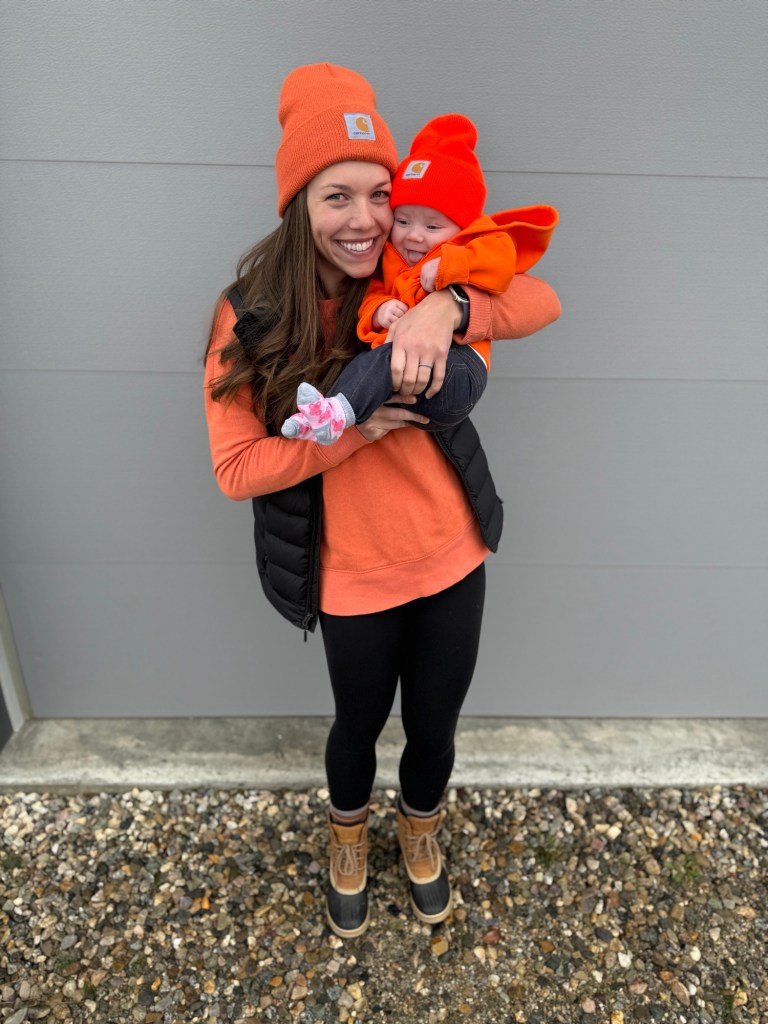
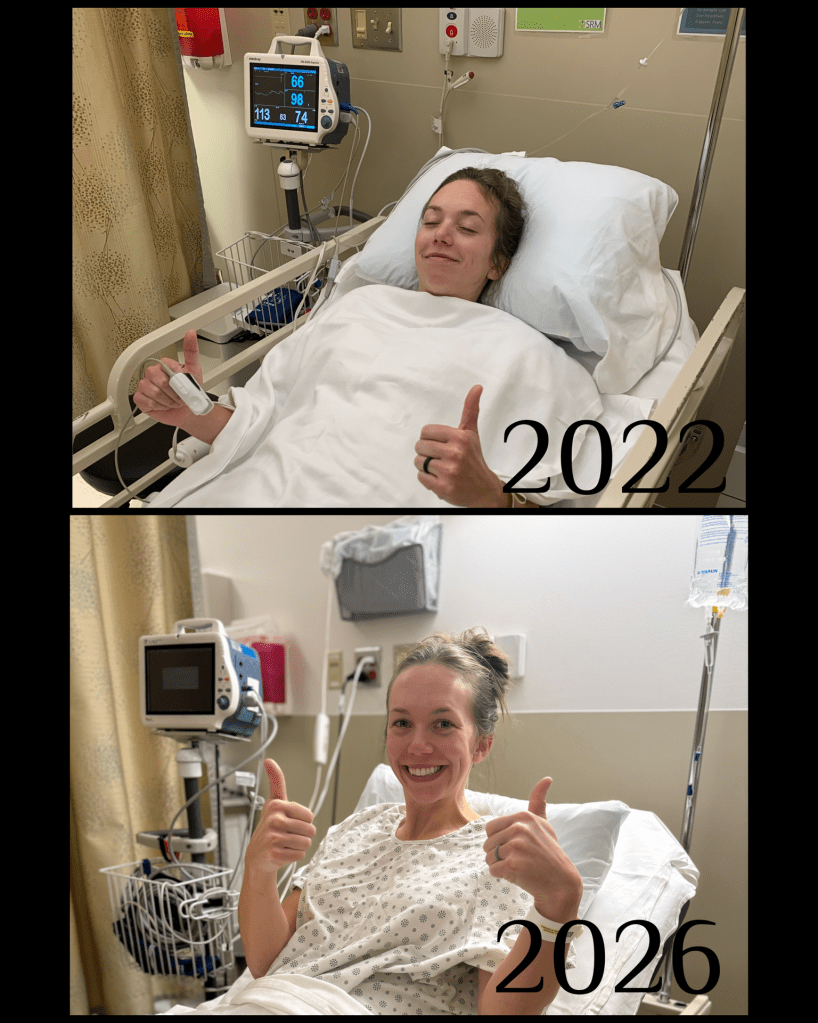
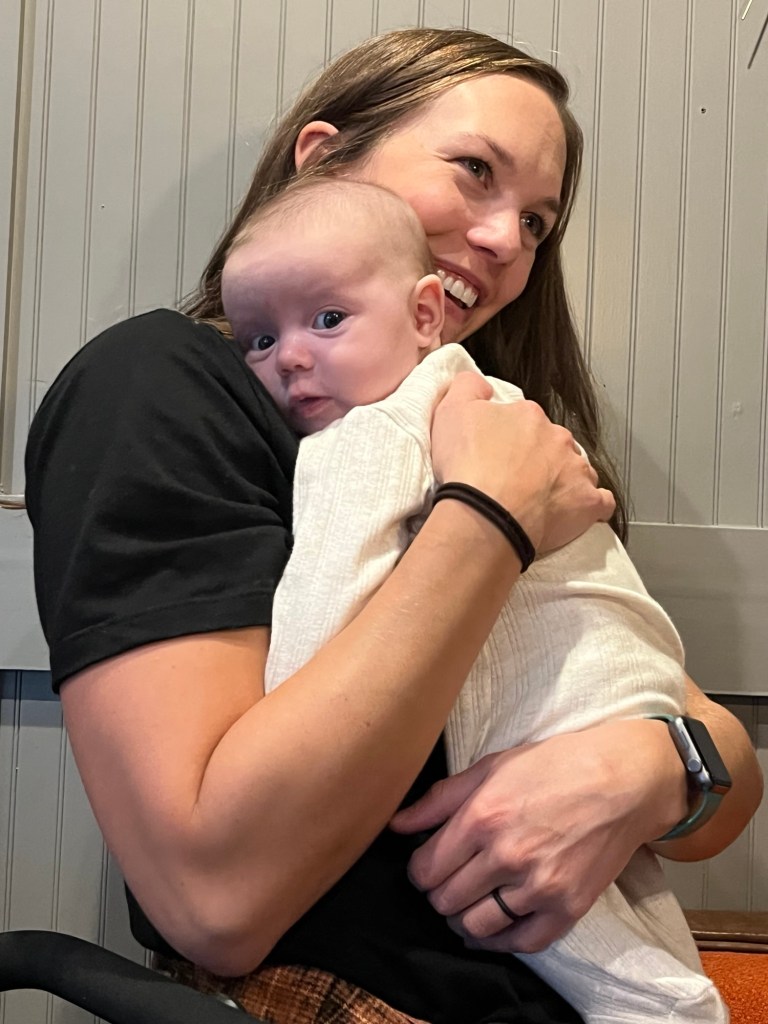
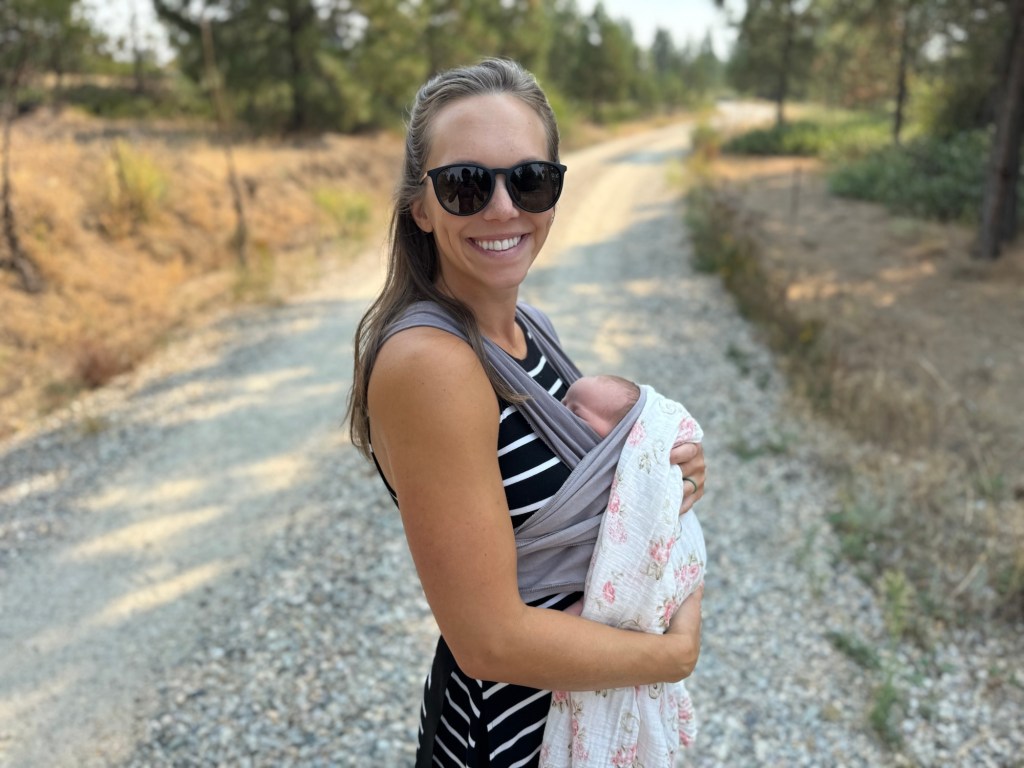
The start of an egg retrieval is based on your cycle. They await your next cycle and then have you begin birth control. Birth control is taken for about 2 weeks. You then stop birth control for about three days and begin the stimulation. The stimulation includes daily injections between 7 and 9 PM and 1 pill you take orally. You are to draw up, mix, and inject medication on your own each day to stimulate as many eggs for the egg retrieval as possible. These medications are ordered and delivered through a specialty pharmacy to your home and you are to watch a video on how to draw up an inject each medication. After my first injection all I can think of is “I did not miss this.” But I look at my daughter now who is about four months old, and think “but it was all worth it.” The injections and oral medication are taken for about four days and then you go in for an ultrasound and blood draw to assess your ovaries and hormone levels. They then reassess and adjust your medications if needed and you continue for another three days before going back in for an ultrasound and blood draw. You continue this cycle of ultrasound, blood draws, and medication adjustments until they feel that they have stimulated as many eggs as possible. As you get closer to the egg retrieval, they add an additional medication to inject in the morning between 7-9am. At this point, you are bloated, tired, crampy and your abdomen is bruised to the point where you are searching for a non-bruised place to inject medication. Once they feel you have stimulated as many eggs as possible, they prescribe a “trigger shot” that you inject exactly 36 hours prior the egg retrieval. You then have to take an ovulation test prior to 9am the morning after the trigger shot to make sure the medication absorbed. Exactly 36 hours after the trigger shot is when the egg retrieval is scheduled. They have you go in 45 minutes prior to the retrieval and meet with the physician and anesthesiologist.

The egg retrieval procedure is relatively quick (approximately 20 minutes) and involves the use of an ultrasound-guided needle to remove the eggs from the ovaries. The needle is inserted through the vaginal wall, and into each ovary, to draw out the eggs and surrounding fluid. The eggs flow through the needle into attached test tubes, which are then handed to the embryologist. “You will receive a call with the fertilization report the day following egg retrieval.”

Here we go!

Another baby?

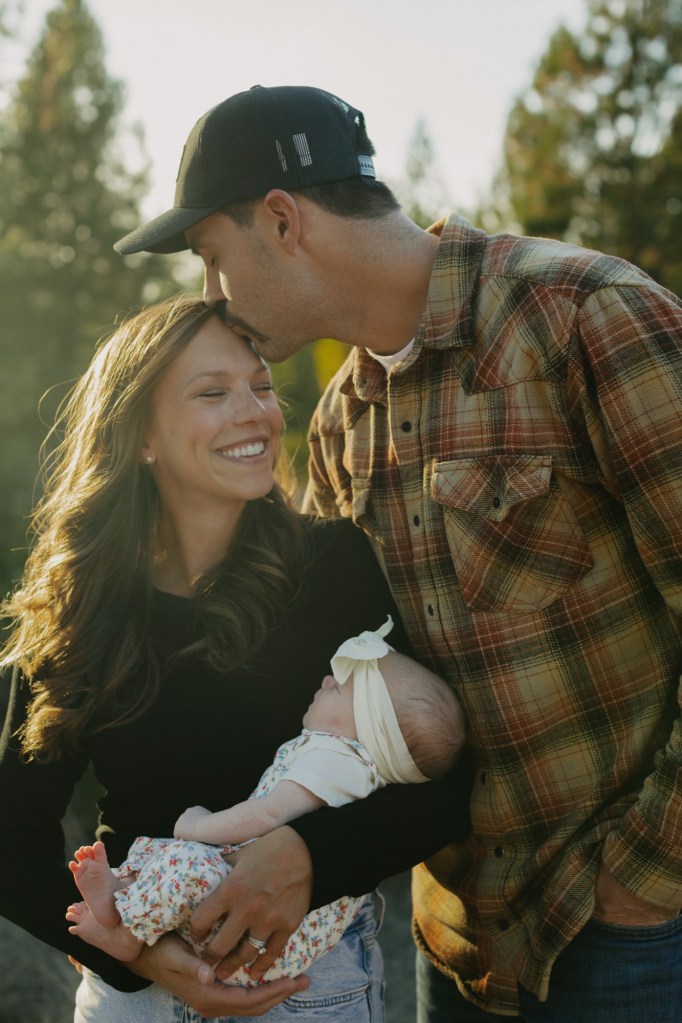
Adelyn was the only embryo we had that was considered healthy (no chromosome abnormalities) and did not carry the BRCA gene. She was created from the eggs I had retrieved prior to starting chemotherapy in 2022. We do have 6 more embryos frozen that have either chromosome abnormalities or the BRCA gene. Not great options for another transfer. Why go through this all again to transfer an embryo that knowingly has the BRCA gene? Yes, if we transfer a male embryo they have less of a chance of getting cancer in their lifetime, BUT have the same risk of passing the gene along to their children. YES, we want more children… so what does this mean for us?

Do I have any eggs left that are viable after chemotherapy? Do we get the chance to have another baby? What are the next steps?

I will have to complete what they call an “ovarian reserve” test. This assesses how many eggs I have left and my hormone levels during my cycle. This will determine if I am able to complete another egg retrieval. Unfortunately, this test cannot assess the quality of the eggs. So an egg retrieval may be a waste of money if my eggs were damaged during chemotherapy. If this test determines I have eggs left and qualify… I will then undergo another egg retrieval.

The question I always get: Why wouldn’t you just try naturally instead of going through IVF again? If we tried to have a child naturally, I have over a 50% chance of passing the BRCA gene along to my children. IF that gene is passed along and we have another daughter, her risk of cancer is over 50% and increases with age. Yes, IVF is expensive… but so is getting cancer. I would rather spend the $30,000 now and prevent our children from getting cancer than to try naturally and pay the $30,000 later on cancer treatments and have my children go through the same thing that I had to endure. Looking at the bigger picture is hard, especially when trying naturally is much easier and cheaper than IVF.

So, here we are. Only 2.5 months out from having our daughter and already testing to have another. Why? Because this process of egg retrievals, embryo creation, and genetic testing can take close to a year. With my risk of ovarian cancer increasing every year, they recommend I get a full hysterectomy by the time I’m 35. Nothing like putting everything on a timeline.

CA 2729

For those of you who have been following along, you know my cancer/tumor marker lab values were elevated during pregnancy and postpartum. My oncologist’s recommendation was to wait approximately one month to redraw them to see if they came down after recovering slightly more postpartum. To my pleasant surprise, the CA 2729 came back within normal range. Huge relief. So what now? Continue cancer screening every 3 months for at least 3 years. However, I am coming up on 3 years of being diagnosed and soon to be 3 years of being cancer free. Cancer screening will always be a part of my life but they reduce the frequency after 3 years. At least this is general recommendation… we will see if this applies to me. So here we are, nothing to worry about. At least for now. What does this mean to me? Enjoy. Enjoy life, enjoy my daughter, enjoy my family and DO NOT think about cancer. That would be my advice to anyone dealing with cancer or who has been through something similar. Do not worry … unless there is something to worry about. Yes, it may always be in the back of your mind. But keep it there. In the back. Enjoy the rest.

Cancer screening post pregnancy

During pregnancy, my cancer lab values were elevated and I was eager postpartum to get my labs re-drawn, check for tumor markers and complete any screening that I couldn’t do while being pregnant. About 10 days postpartum I had my labs re-drawn and an appointment at Cancer Care Northwest. Returning to Cancer Care Northwest after having a baby hits a little different. What if the cancer is back? What if I have to start chemotherapy again? What if I have to go through all of this again with a newborn baby? What if I leave her behind? Trying to be positive, but also realistic…

To my surprise, my cancer labs and tumor markers were even more elevated postpartum than during pregnancy. My oncologist sent a message through Mychart stating “I’m uncertain what to think of your elevated CA 2729 due to you being postpartum, and would like to redraw in approximately one month if that’s okay with you?” Not much else to do I guess.

My oncologist has been also been drawing what they call a Signatera lab. This lab draw is not currently covered by insurance, however there is no way to bill for it so it is technically free as of right now. Signatera is a lab draw that checks for cancer and tumor markers that is more sensitive than CEA and CA (standard cancer screening lab draws). Signatera is sent off and takes approximately two weeks to get results. So after my lab draw with elevated tumor markers approximately 10 days postpartum I patiently waited for the Signatera lab results to come back before panicking or making any decisions. Approximately two weeks later, the Signatera lab came back “not detected”. A huge relief on my end. However, the elevated CA lab still sits in the back of my mind …so now we wait another month to redraw the CA lab to review and discuss next steps. My oncologist did not recommend any further imaging or screening at this time due to the fact that all of my previous MRIs have come back negative. Unfortunately, cancer screening is a wait-and-see kind of game, so in the meantime, I will continue all cancer preventative measures such as diet and exercise. However, due to having a C-section exercise is on hold for now.

Cancer and pregnancy

While pregnant, you are at a lower risk of developing ovarian cancer due to your ovaries being “quiet” during pregnancy. However, what they don’t tell you is that all of your tumor markers and cancer bloodwork can come back elevated due to being pregnant. But how do they know if it’s due to pregnancy or actual cancer risk? And how many patients do they have that have been pregnant after having cancer? There is not much research to know. Being 30 weeks pregnant with elevated tour marker lab draws makes you feel a little uneasy. Even if the cancer was back, what can we do about it at this point? Nothing. Even if they found lingering cancer, it is not safe to do any sort of imaging, surgery, or chemotherapy. So now we wait. 37 weeks pregnant and going strong, however also awaiting the baby’s arrival so I can also make sure I am still cancer free. Another question is…how long do your labs stay elevated after being pregnant? I guess we will find out.

Hair Growth after Chemo

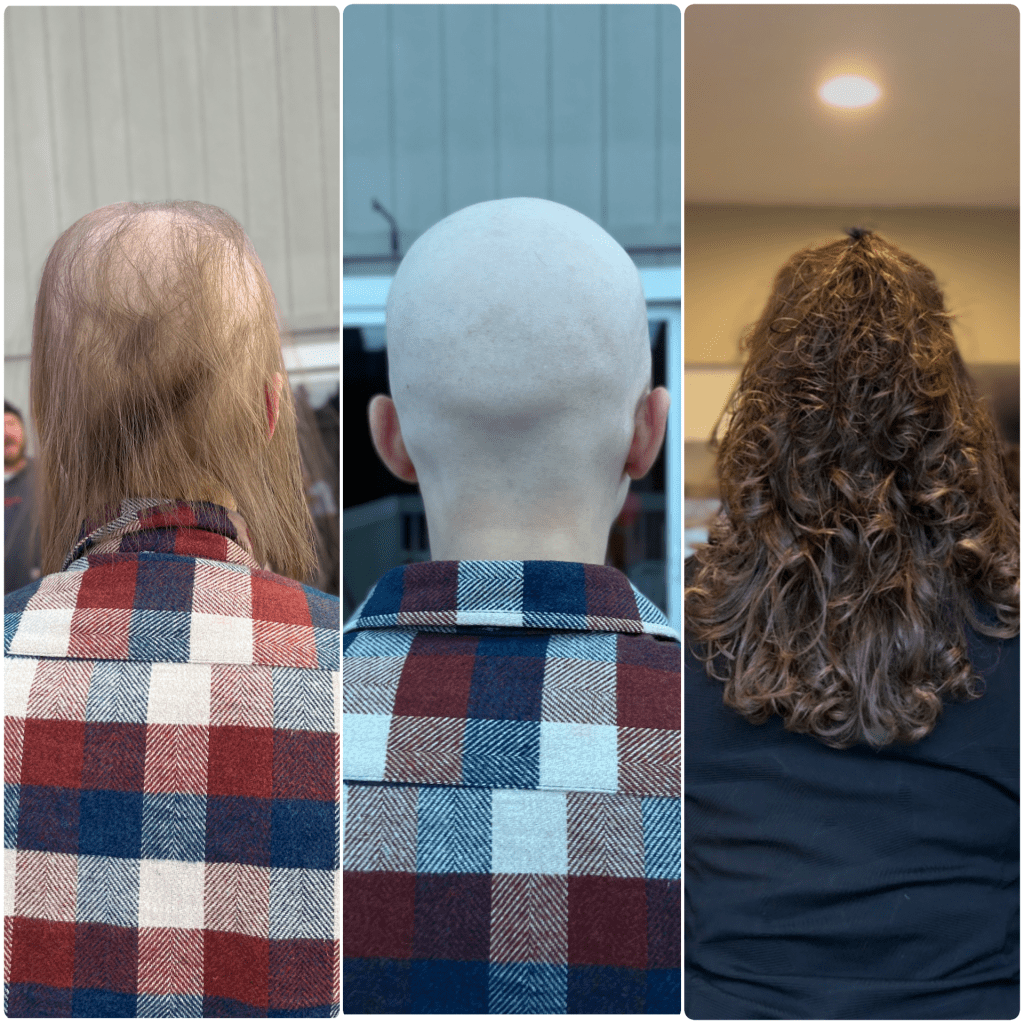
Hair loss during chemotherapy is also known as chemotherapy-induced alopecia or CIA. There is not much you can do to prevent hair loss during chemotherapy, however there is scalp hypothermia (cooling of the scalp). Cold restricts blood flow. When you cool your scalp, you temporarily decrease blood flow to that area. This reduces the amount of chemo that gets to your hair follicle cells. There is a “cold cap” you can wear on your head during chemotherapy that cools the cells to resist chemo from going to those hair follicles, however you have to be very diligent about wearing it before/during/and even after chemotherapy. From what I have heard from people who have used the cold caps, they sometimes don’t even work after all that! I just remember how cold I used to be during treatments when wearing the cold mitts and booties, so I can’t imagine wearing one on my head also! However, this is really the only option to PREVENT hair loss during treatment.

I decided not to go that route and if you are like me and are so lucky to have all of your hair fall out during chemotherapy, I have some tips and tricks for you for growing it back out. Things that I used:

  1. Castor oil
  2. Biotin oil
  3. Babe lash
  4. Head massage

I used castor oil on my head and eye brows, but you have to be careful to put it ONLY where you want hair growth because that shit WORKS. It’s very thick and greasy so I only used this when I was completely bald or had just tid bits of hair. I also supplemented the biotin oil on my head when my hair started to grow back because it spread through my hair a little better than the castor oil. Babe lash is what I used on my eyelashes. I applied every day until my eyelashes started to grow back and then I started to apply every other day … then eventually switched to just weekly until they were back in full force (I still use this product because it’s amazing). I also used head massage to stimulate the hair follicles for regrowth. Luckily my mom was with me helping me recover from surgery at the time my hair was growing back so she would massage my head using a wire head massager and not only does it help with hair regrowth but it feels GOOD.

These things listed are easy and relatively cheap. You don’t need all the fancy things, just start with something simple and give it some time. In the meantime, they make hats and wigs for a reason… because there is A LOT of awkward stages in between.

Recovery

Someone asked me the other day, “How long did it take you to recover from having Cancer?”

It took me awhile to respond because it wasn’t just cancer I had to recover from. It was chemotherapy and then the following surgeries. However, if I had to give it a timeline this is what I would say: I endured 3 months of chemotherapy that ended in March of 2023, then I went directly into surgery in April of 2023 after a month break and that was the longest recovery. Not only was my body healing from surgery but it was still trying to recover from chemotherapy which made the healing process from surgery a bit slower. I had a hard time with shortness of breath and fatigue for a long time. I was recovered from surgery in about 8 weeks, however I don’t think I fully recovered from chemotherapy until I was going in for my second surgery about 4 months later in August of 2023. I was hiking, walking and working out every day just trying to get back my health and energy. Going into my second surgery was bitter sweet because I felt like I had finally gotten myself back to “normal” and then had to go back under and recover all over again. Thankfully the second surgery was not nearly as bad and an easier recovery.

So to answer the question. Post chemotherapy and being deemed “cancer free” in March of 2023 and getting through both surgeries, it took about 6-7 months before I started to feel “normal” again. At least from a physical perspective. From a mental health perspective, it is still a work in progress… and cancer will now always be a part of my story and in every decision I make.

Pregnancy

So now that I am pregnant, I have less of a risk of getting ovarian cancer. Being pregnant actually reduces your risk of ovarian cancer because your ovaries are “quiet” during this time. I still have to go in every 3 months to my oncologist for blood work and physical exam, however should have less of a concern during these 9 months. So let’s talk about pregnancy…

Not sure if it was the first trimester or the IVF medications for the first 3 months of pregnancy but I felt like absolute trash. The best way I can describe it is a really bad hangover that lasts 3 months… I may throw up, I may not. Nothing sounds good to eat but you should eat every couple of hours so you don’t feel sick. It’s worse in the mornings and the evenings but does last all day long. AND you are supposed to work, workout, and act like a normal human being throughout this time. Hoping one day you wake up and feel better. Eventually you do, and I did. About 11-12 weeks, about the time I got to discontinue my IVF medications, I felt better. Not 100% but definitely better. Looking back, I can definitely say that I felt better when going through chemotherapy than I did during my first trimester of pregnancy, so I have some serious respect for anyone who has been pregnant.

Now, with that being said I am now 19 weeks, nearly halfway through my pregnancy and feeling GOOD, much better and finally have my energy back. So what I am trying to do throughout my pregnancy is continue to exercise and eat healthy- not only for my baby but also for ME. Not only for my physical health but my mental health as well.

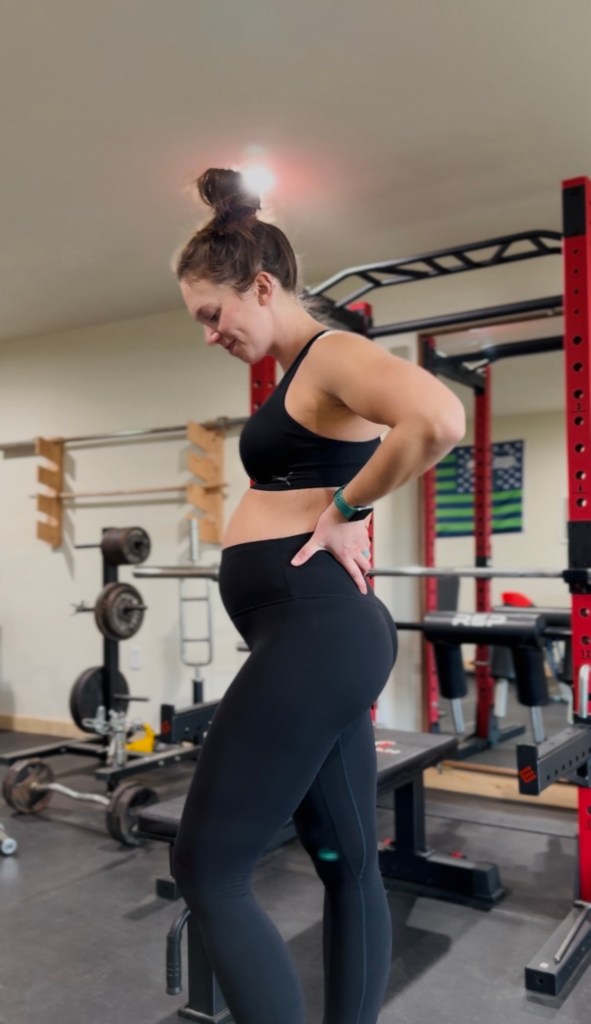
So what I have learned so far is that it is safe to exercise while pregnant. I had a lot of questions regarding what is safe and what is not because I usually lift heavy and push myself. My fertility clinic and OBGYN told me I “had no restrictions” when it came to the amount of weight I lifted. Well, I decided to do my own research because if you know me… that’s just what I do. So turns out, you can lift relatively heavy but you do have to be cautious of a few things:

  1. Injury
  2. Elevated heart rate
  3. Center of gravity

Risk of injury is higher when pregnant due to your body releasing many hormones, one being relaxin. This begins relaxing your body, ligaments, joints and muscles so you are at higher risk of injury to ligaments, joints and muscles. Elevated heart rate can indicate over exertion and limiting oxygen you or your baby are receiving. The research that I have done, indicates keeping your heart rate at or below 140 bpm with cardiovascular exercise. Not much research has been shown for elevated heart rate during weight training, however there has been more recent research that shows if you were working out prior to pregnancy you are safe to push your heart rate up to 170 bpm without any complications. I have been trying to follow these guidelines as much as possible. One last thing to keep in mind as you enter your 2nd and 3rd trimester is your center of gravity changes and you are at higher risk of well… falling over, injury and you may want to limit how much you are completing exercises on your belly or back.

Now, this is probably way too much information for those of you who are not pregnant but may be a good insight anyway.

IVF Pregnancy

The first 3 months of IVF pregnancy are not fun to say the least. Continuing the medications, shots and vaginal inserts seems like eternity and then on top of that I started to get all of the pregnancy side effects around 7 weeks through about week 11. Around 12 weeks, I started to feel like myself again. Around 12 weeks was also when I got to discontinue all of my medications, so I’m not sure if it was making it through my first trimester or stopping the medication that made me start to feel better, but either way … I’m glad I made it through that!

So here I am, nearly 4 months along. Graduated from the fertility clinic and just going in every 3 weeks to my regular OBGYN. Almost like a regular pregnancy at this point. The only difference at this point will be the “high risk” anatomy scan at 20 weeks and the fetal echocardiogram at 22-24 weeks. These are recommended for all IVF pregnancies and are just to be cautious and catch any possible congenital defects early on. Being an IVF pregnancy also puts me at higher risk for things like preeclampsia, gestational diabetes, pre term labor and congenital defects.

Nothing about this process has been “natural” or felt anything close to how a normal pregnancy should feel, however I am grateful for the opportunity to have a healthy baby and the chance to prevent passing along the BRCA1 gene mutation to our children. Yes, IVF is expensive. No, it is not fun. But neither is having cancer, and if I can prevent that for my future children. This will all be worth it.

“Congratulations”

So 9 days after the embryo transfer I go back in for my blood draw to tell me if the transfer was successful or not. Drumroll… IT WORKED. “Congratulations, you are pregnant!” What a long 9 days, but all worth it. Now what? Now you continue to take your medication through the first trimester of your pregnancy. Continue taking estradiol 3x per day 8 hours apart, intravaginal progesterone 2x a day 12 hours apart and intramuscular progesterone injections every evening. Got it. The crazy part is by the time I found out I was pregnant I was already over 4 weeks! At the time the embryo was frozen back in July of 2024 it was 5 days old and by placing the embryo directly into my uterus it eliminates almost 2 weeks of pregnancy.

So here I am now, through my first trimester of pregnancy, nearly 2 years out from being cancer free, building our dream house and working full time. Everything is coming together it seems. There is always light at the end of the tunnel… Sometimes the tunnel is just longer than you want or expect it to be.